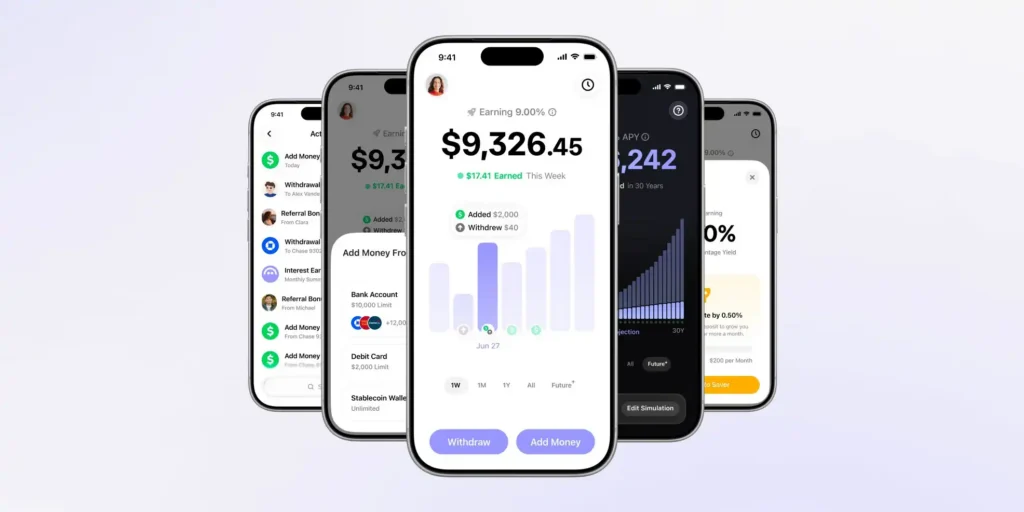
As reported on November 23, 2026, several crypto companies were redesigning their mobile apps around a practical question: how does someone move money from a bank account or card into a crypto product without first learning to use an on-chain wallet? The approaches ranged from a one-time card purchase to an account intended to receive regular deposits.
A card payment to buy crypto
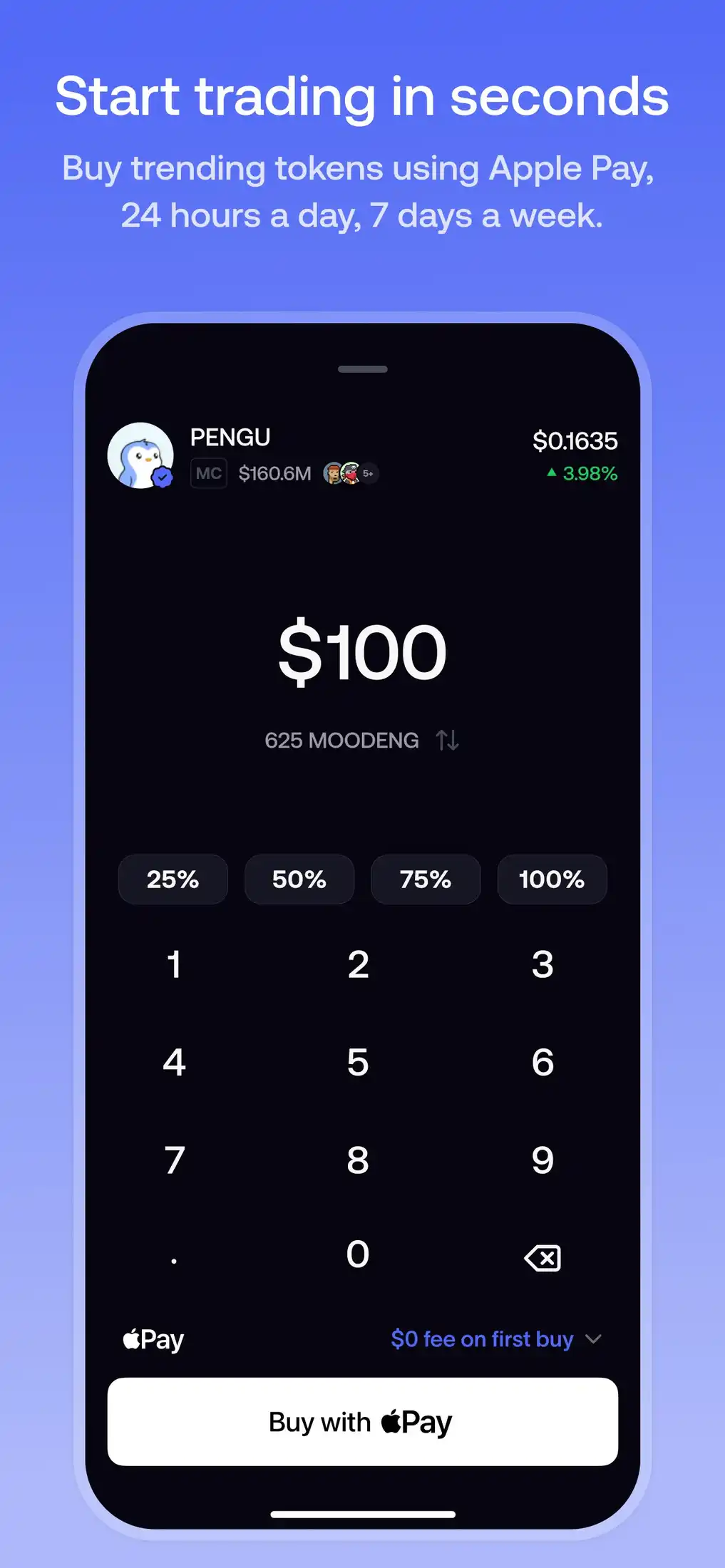
Meme-token trading app Fomo launched in May 2025 and added Apple Pay the following month. According to the report, a user could pay by card without first buying USDT on an exchange or choosing a blockchain. Fomo handled the on-chain transaction fees and charged 0.5% per trade. Co-founder Paul Erlanger told TechCrunch that users and revenue rose substantially after Apple Pay was added; the report does not establish how much of that growth the payment option caused.
That removes steps from getting money into a trade. It does not make the trade less risky. The report cites an October 2026 analysis of nearly 400,000 wallets using six major apps to trade Hyperliquid contracts: collectively, they had lost $280 million. That figure concerns contract trading across those apps, not Fomo’s Apple Pay purchases specifically.
From a deposit to an account balance
Aave’s mobile approach was aimed at a different journey. Its first iPhone users gained access in August 2026, according to the report. The app offered email or phone login and deposit options including bank accounts, debit cards and stablecoin wallets. Money deposited through a bank account was converted into stablecoins behind the scenes, with the app handling the blockchain steps. The report said transfers were available from accounts at more than 12,000 US banks.
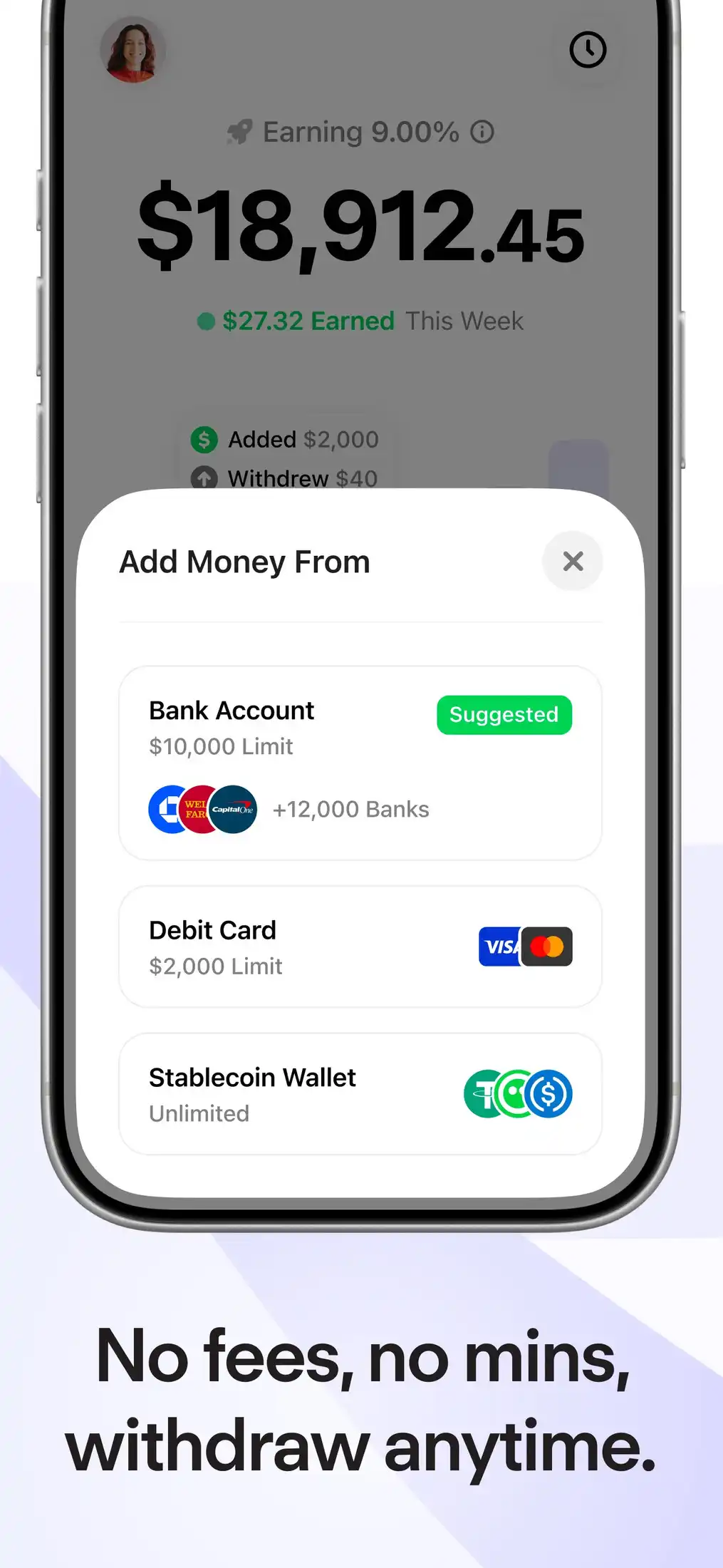
Aave had advertised yields of 5% to 9% when announcing the app. At the time of the November report, the displayed rate was 6.25% and marked variable. Its balance protection was not the federal deposit insurance provided for eligible US bank deposits. A simpler deposit screen does not remove that distinction.
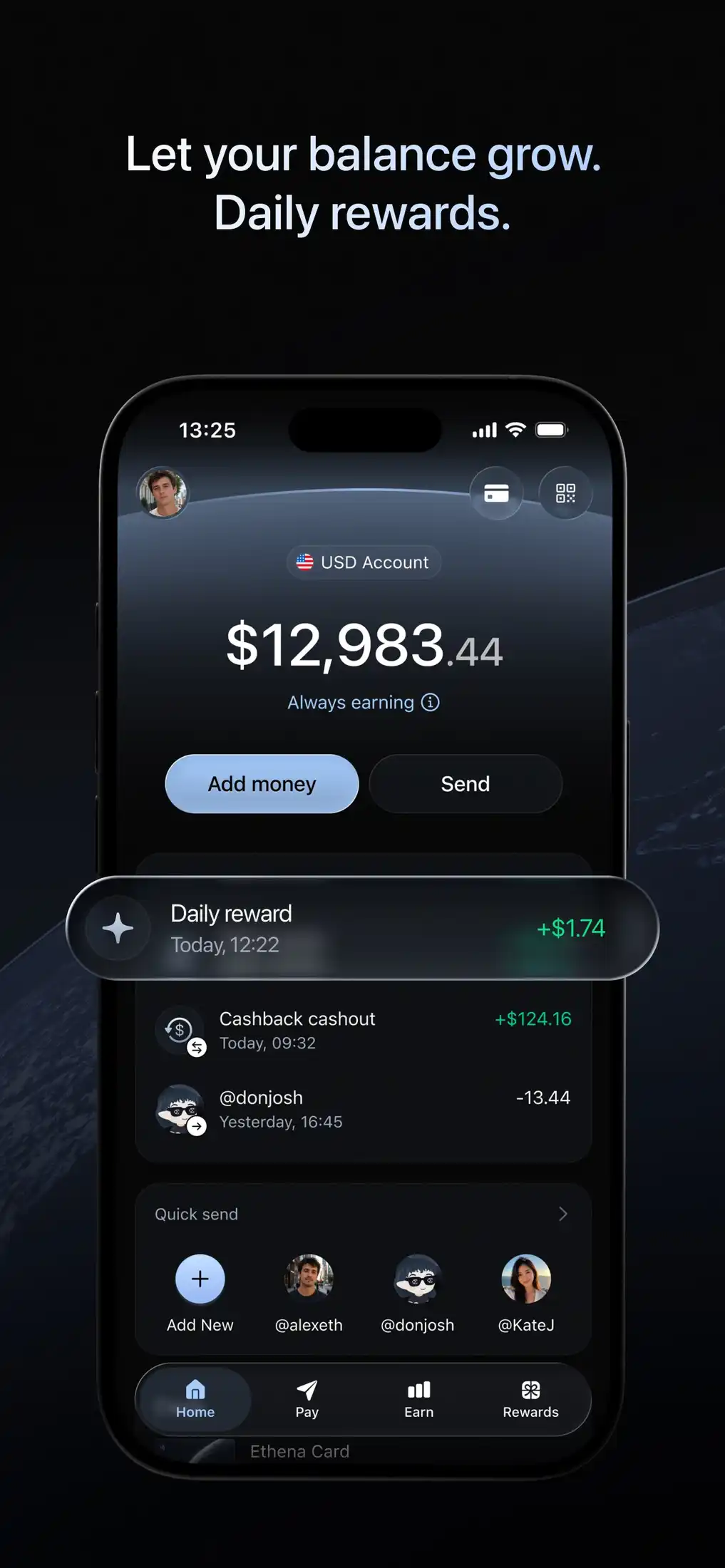
Other companies were trying to make recurring payments possible. In October 2026, ether.fi said it would use MoonPay for its deposit infrastructure and give users virtual account and routing numbers. Those are details a user could enter in a payroll system to direct wages to an account. Ethena described virtual European account numbers and deposits in euros, yen and Brazilian reais. These are company-described features, not evidence that every employer or payment provider will support them.
The shift is from helping someone make a purchase to trying to become a place where money arrives and remains. For users, the key questions remain what happens to funds after deposit, which protections apply, and whether the stated yield can change.