As of November 10, 2026, Hyperliquid was attracting projects that used its trading system in different ways: one read its prices, another opened markets on its matching engine, and a new layer-2 chain aimed to use more of its order-book data. The question is whether that wider use will generate revenue for Hyperliquid—and whether regulated markets can retain the liquidity that makes its existing markets useful.
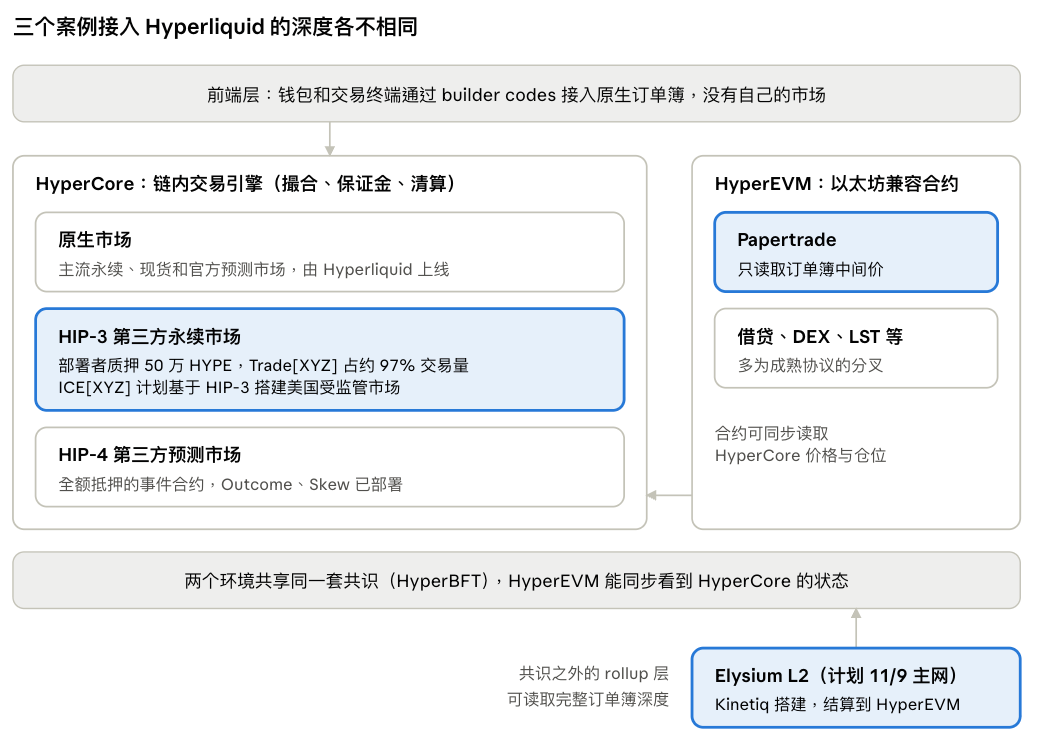
Hyperliquid runs its order book, matching and liquidations on its own layer-1 chain. Its HyperCore trading system offers predefined functions, while HyperEVM lets outside teams deploy contracts that interact with it. The source estimates Hyperliquid’s 2025 perpetual-futures volume at about $2.9 trillion.
Three ways to use the trading system
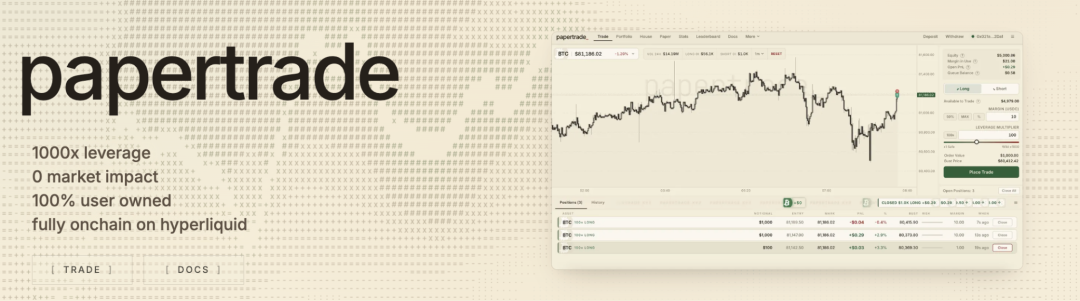
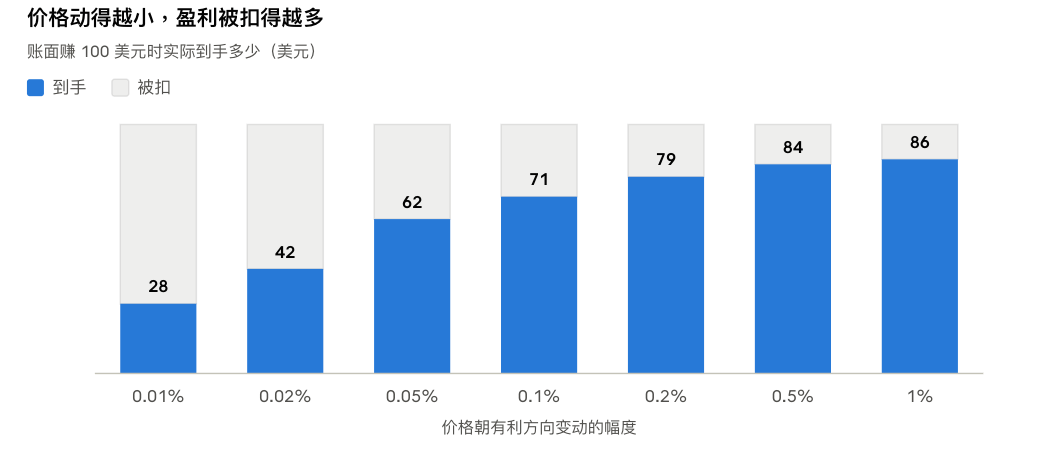
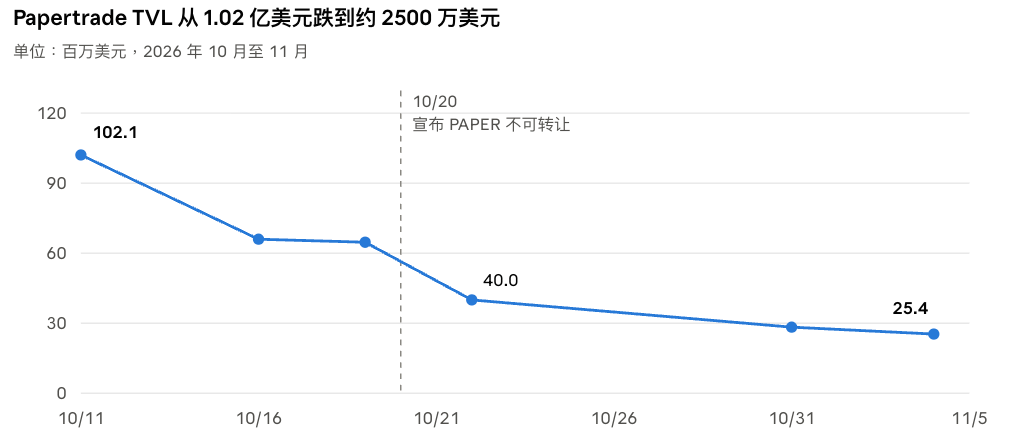
Papertrade uses prices, not Hyperliquid’s matching engine. Launched on October 10, 2026, on HyperEVM, it offered BTC and ETH markets. It reads Hyperliquid’s mid-price when a position opens and closes, but settles users’ gains and losses against its own USDC pool. Its advertised maximum leverage was 1,000×. The source says its notional volume exceeded $1 trillion in its first week, while also describing a sharp subsequent fall in revenue and changes to the rules for its PAPER token. It reports an instance of apparent price manipulation on launch night; that account is a warning about reliance on an external price, not an independently established finding here.
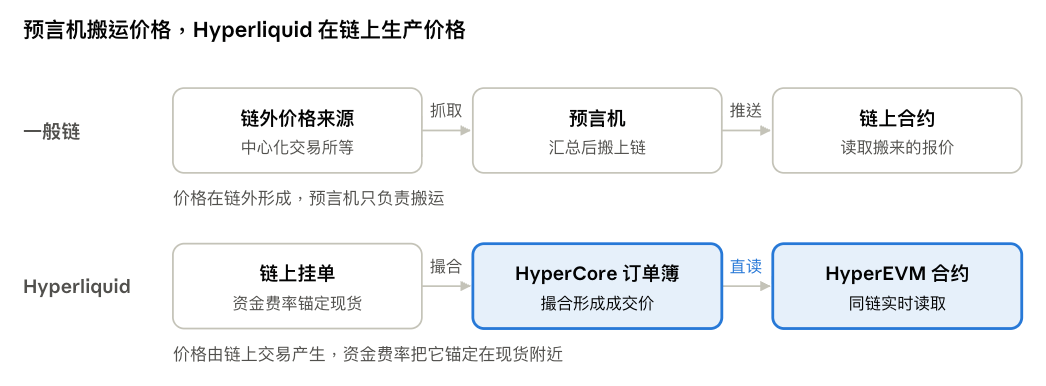
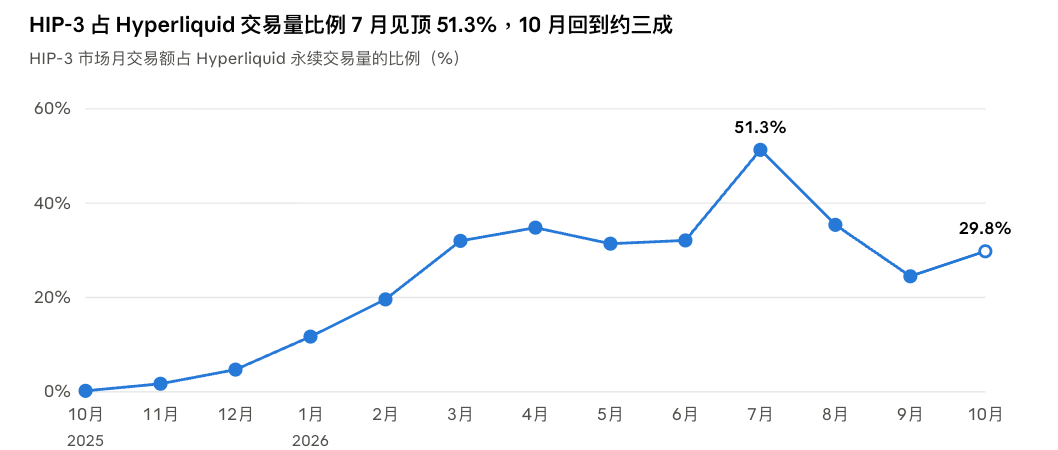
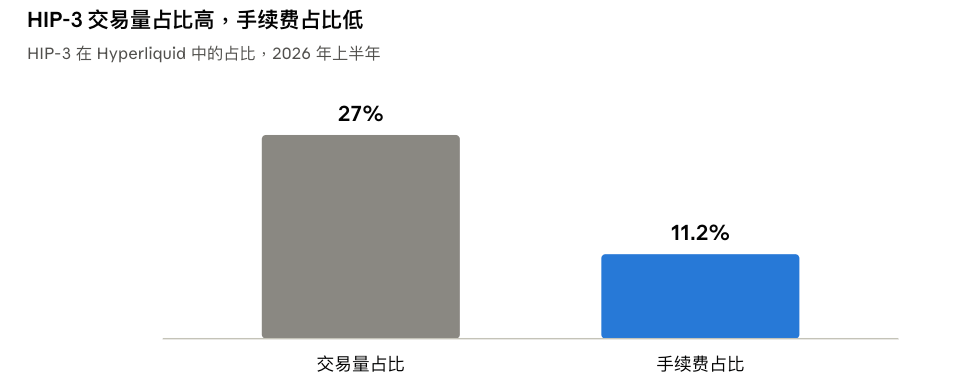
Trade[XYZ] uses HyperCore to match trades. It operates third-party perpetual markets under HIP-3, including markets tied to stocks, indexes, oil and foreign exchange. HIP-3 markets have their own order books: access to Hyperliquid’s engine does not automatically give a new market the depth of an established one. The source says Trade[XYZ] accounted for roughly 97% of HIP-3 volume in October 2026.
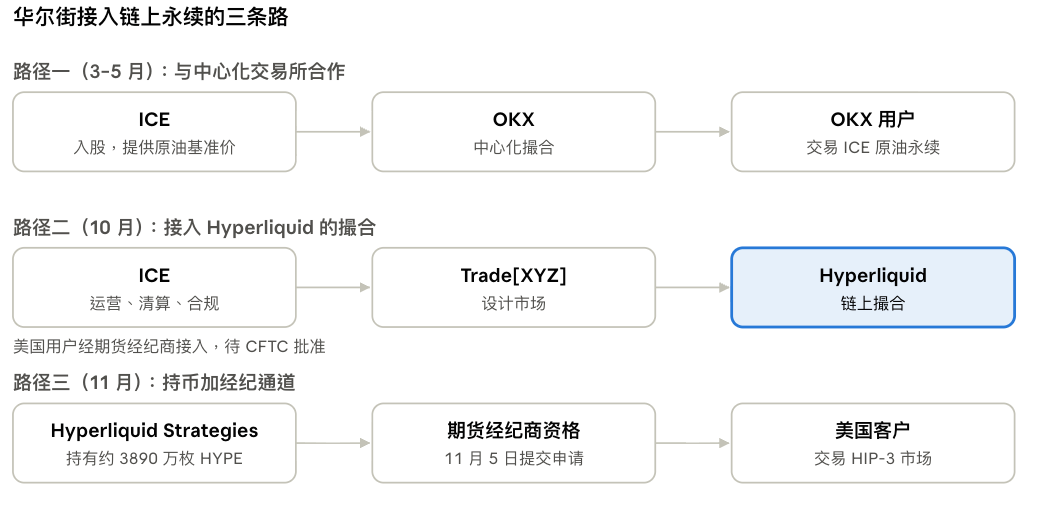
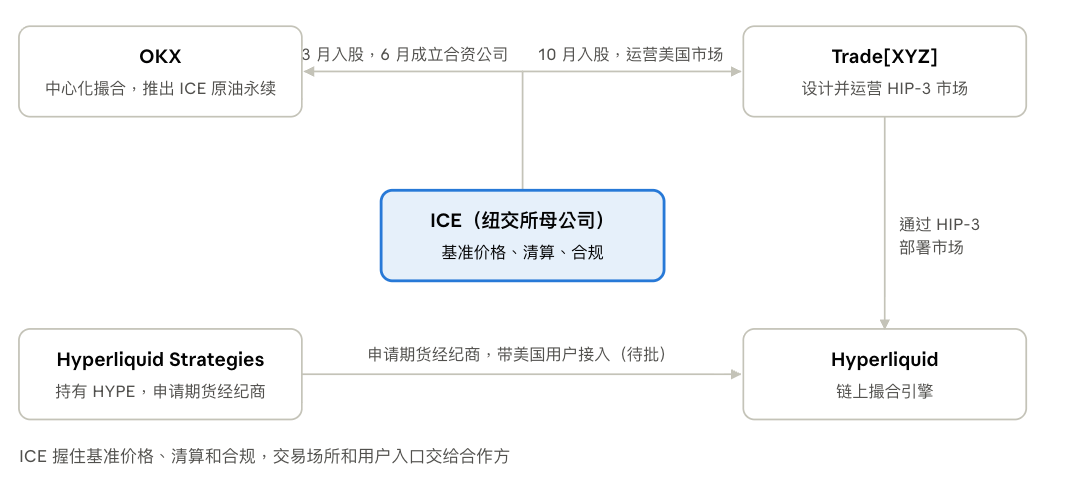
On October 29, New York Stock Exchange parent ICE announced an investment in Trade[XYZ] and a plan for a US market called ICE[XYZ]. Under the described proposal, Hyperliquid would supply matching technology, Trade[XYZ] would design markets, and ICE would operate the exchange and handle clearing. The plan remained subject to CFTC approval as of the reporting date. Separately, Kraken parent Payward had announced plans to deploy HIP-3 markets through Bitnomial; those plans also awaited regulatory approval.
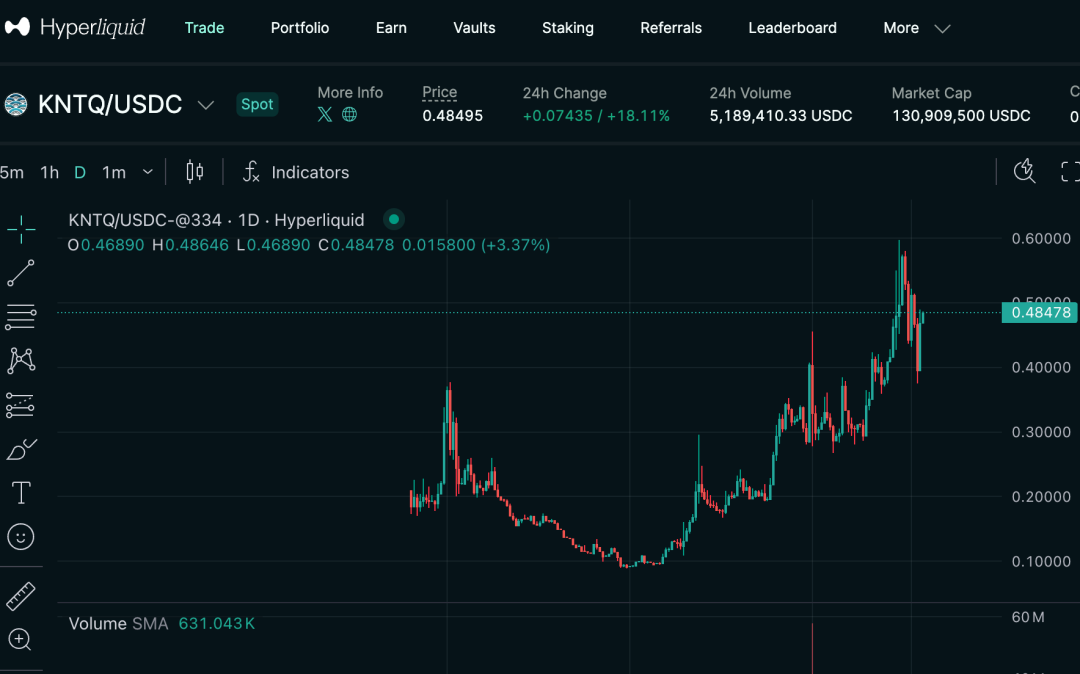
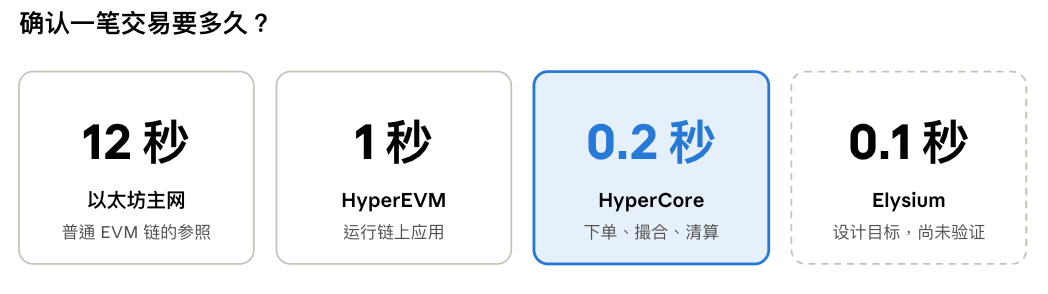
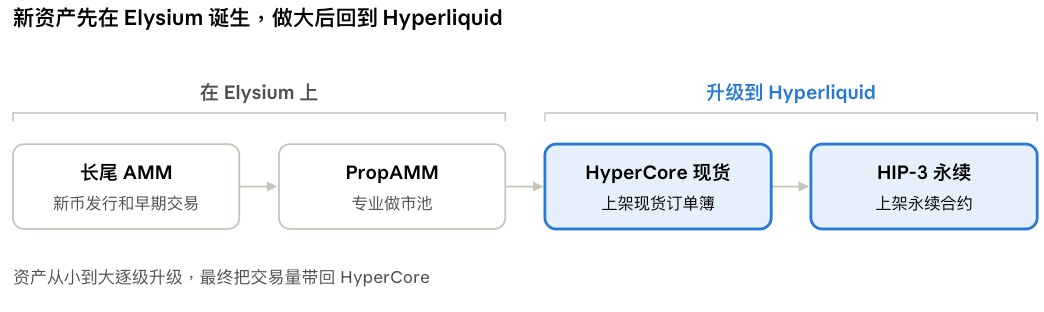
Elysium aims to access more of the order book. Built by staking protocol Kinetiq, the layer-2 chain was reported to have launched its mainnet on November 9, 2026, settling to HyperEVM. It targets roughly 100-millisecond blocks and processing capacity around 100 times that of HyperEVM. Its design uses its own nodes to obtain full order-book depth, rather than only the best quote available to HyperEVM applications. That is a different trust arrangement: the full-depth data is supplied by Elysium’s nodes, not verified through Hyperliquid consensus in the same way as HyperEVM’s data. Direct order submission and the proposed route for new tokens to mature into HyperCore markets remained plans, not demonstrated outcomes.
The unresolved business question
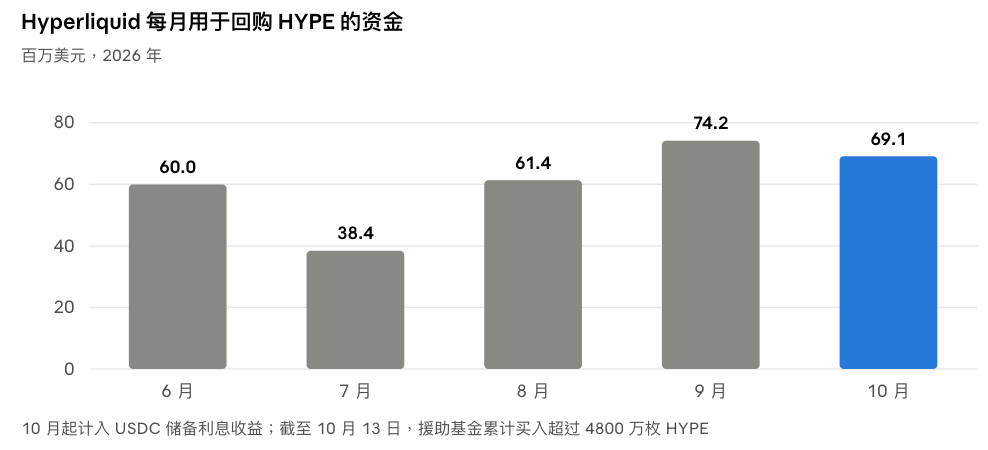
These arrangements do not produce the same revenue for Hyperliquid. Papertrade settles trades in its own pool. Elysium’s proposed fee model directs half its fee income toward buying and burning Kinetiq’s KNTQ token. HIP-3 trades occur on HyperCore, but the source says fees are shared with market deployers and many markets have discounted rates. A rise in activity around the order book therefore need not translate proportionally into fees or HYPE buybacks.
Regulation presents a separate constraint. A US market with customer-admission requirements could use Hyperliquid’s matching technology without admitting the offshore traders and market makers active in its existing markets. Its order-book depth would have to be built under those restrictions. Hyperliquid’s next test is thus not simply attracting more products: it is finding a way to charge for use of its trading infrastructure while preserving useful liquidity where participation rules differ.