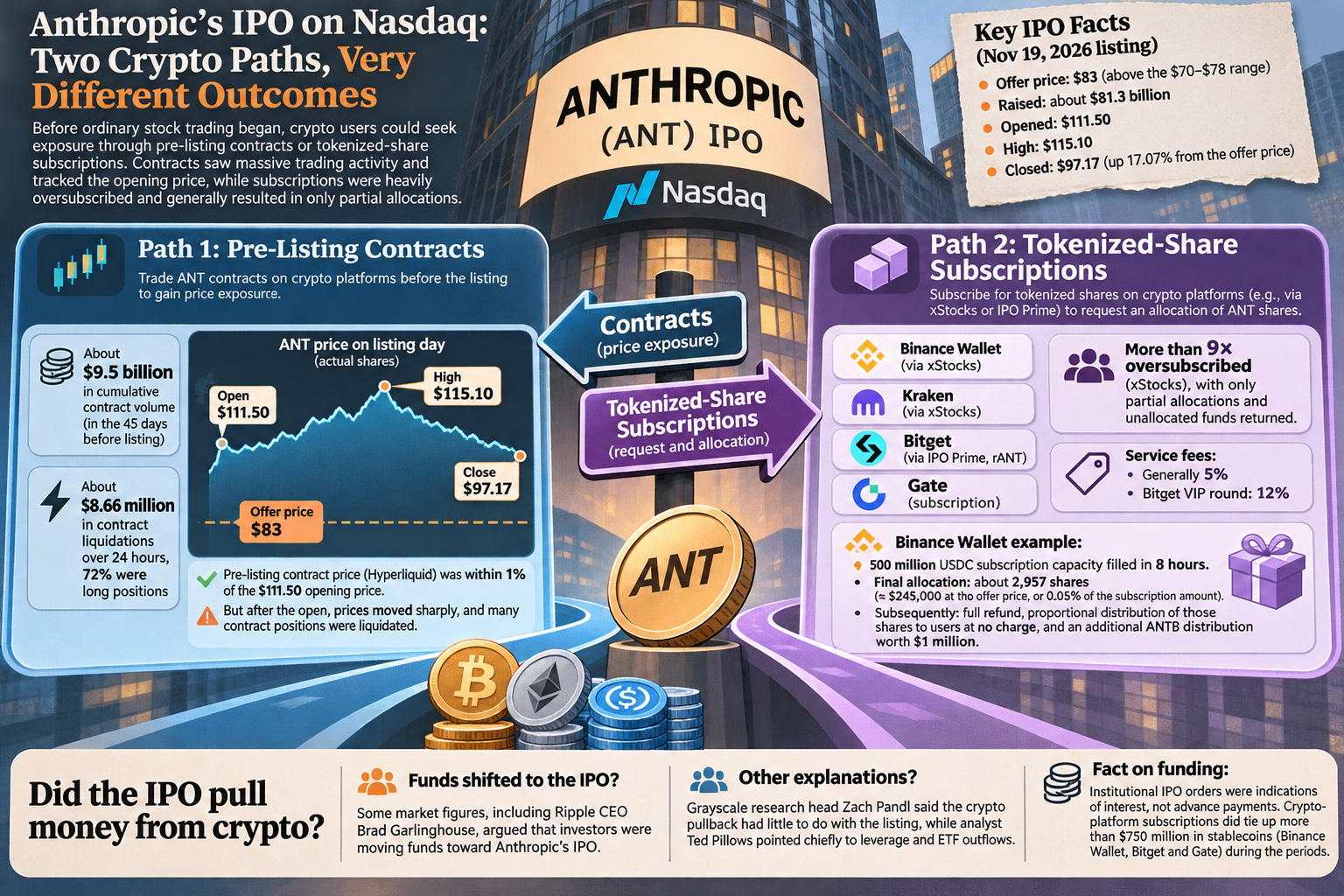
Anthropic’s November 19, 2026, Nasdaq debut gave crypto users two ways to seek exposure before ordinary stock trading began: pre-listing contracts and tokenized-share subscriptions. The results were very different. Contracts attracted billions in trading volume, while several platforms received only a fraction of the shares their users requested.
This account reflects reporting published on November 20, 2026. It concerns exchange investment products, not Lightning payments or a change to payment settlement.
Contracts tracked the opening price—but not the close
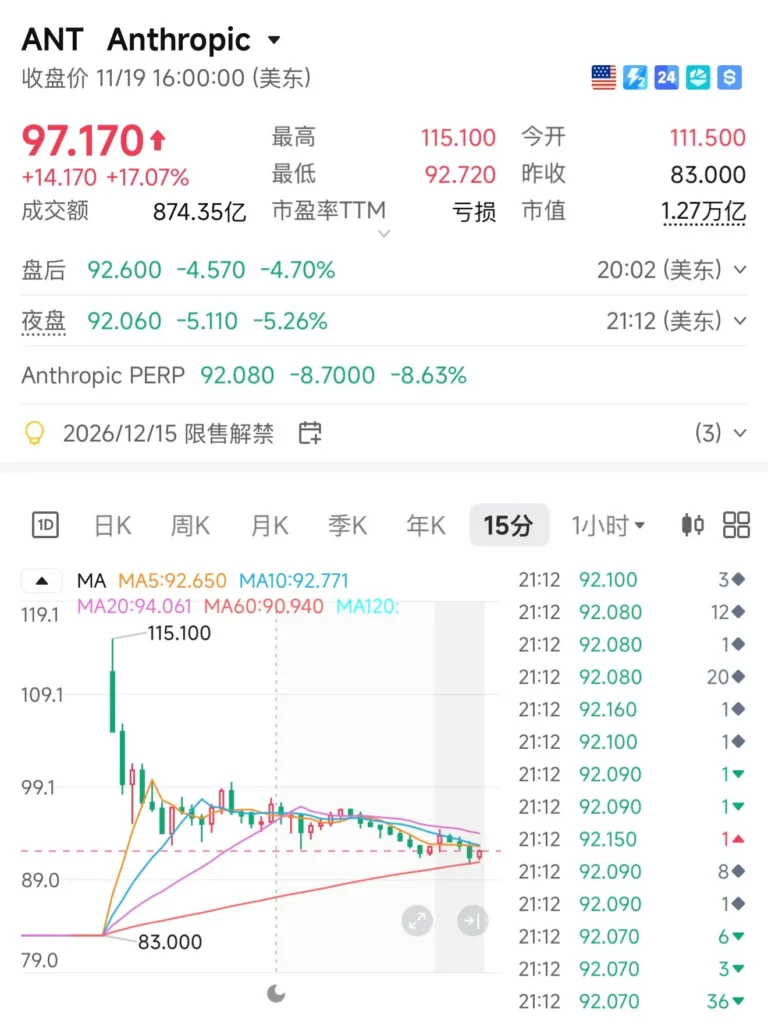
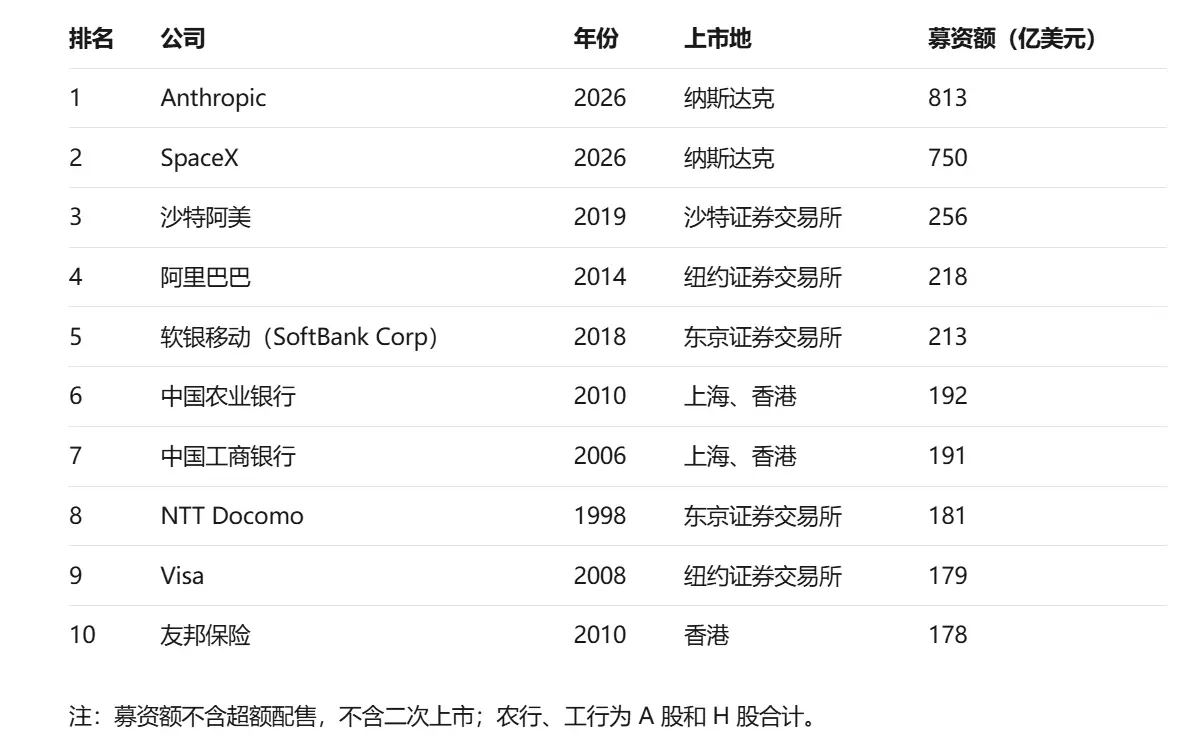
Anthropic priced its shares at $83, above its expected $70–$78 range, and raised about $81.3 billion. ANT opened at $111.50, reached $115.10 and closed at $97.17, up 17.07% from the offer price.
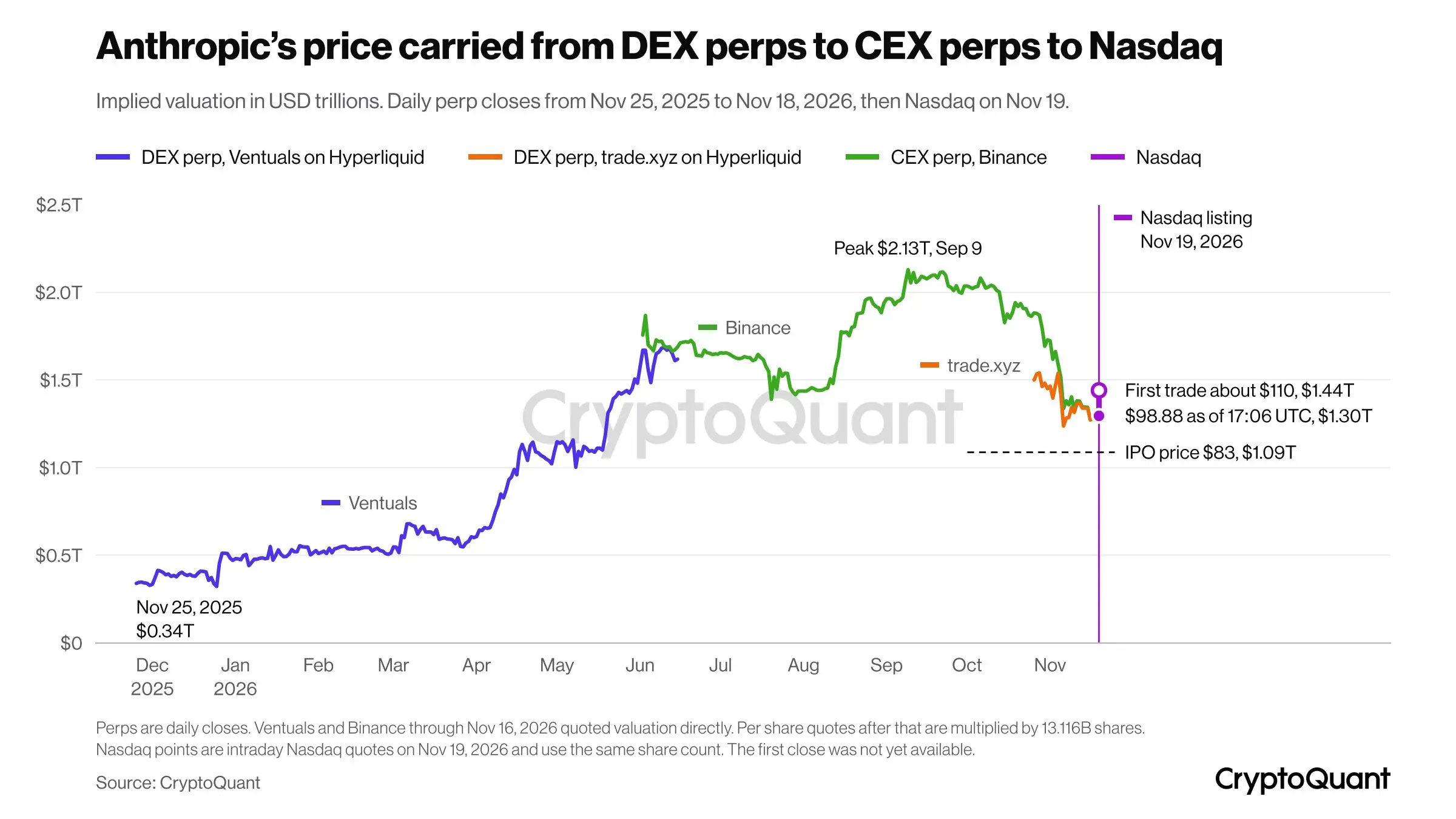
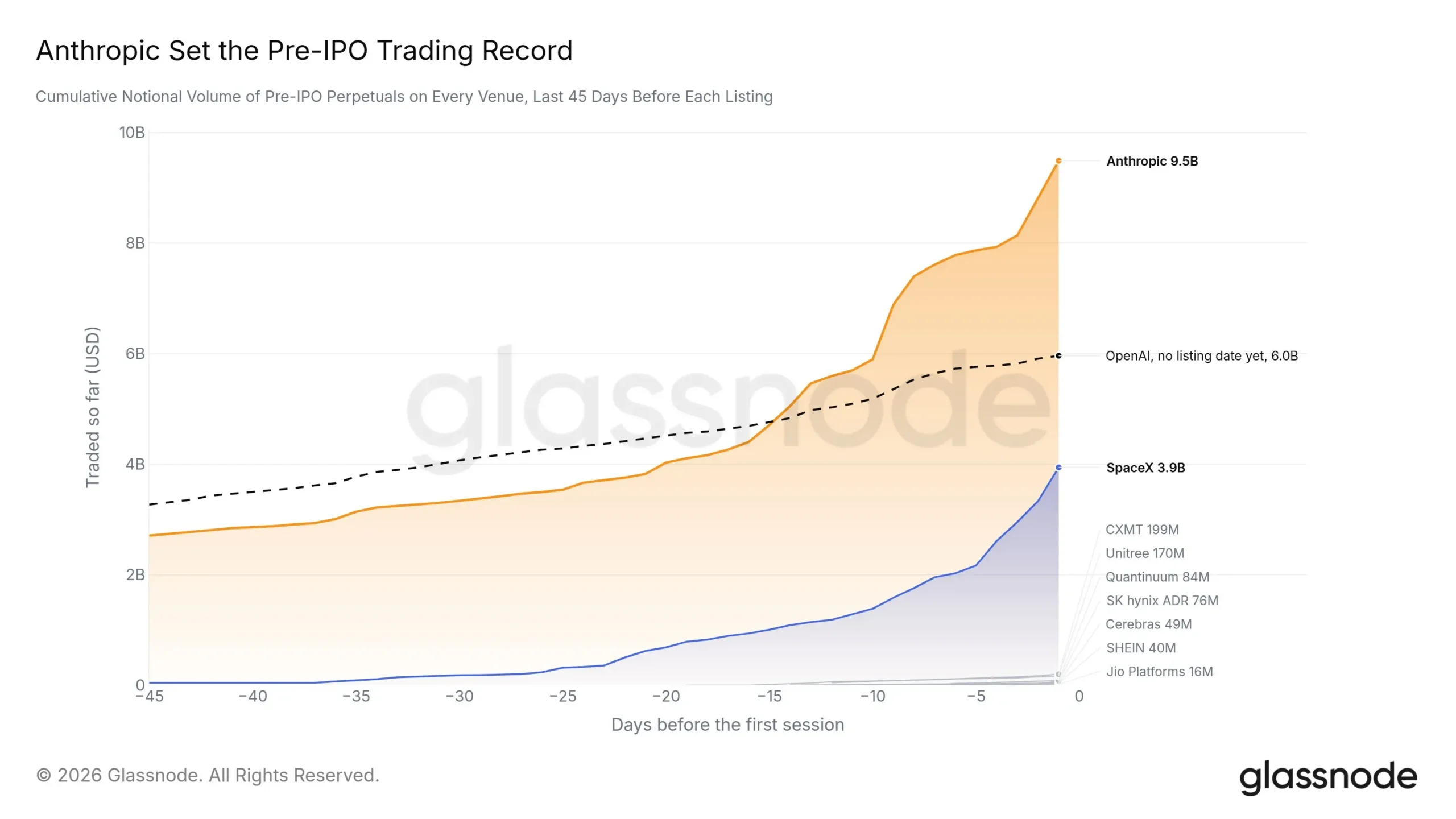
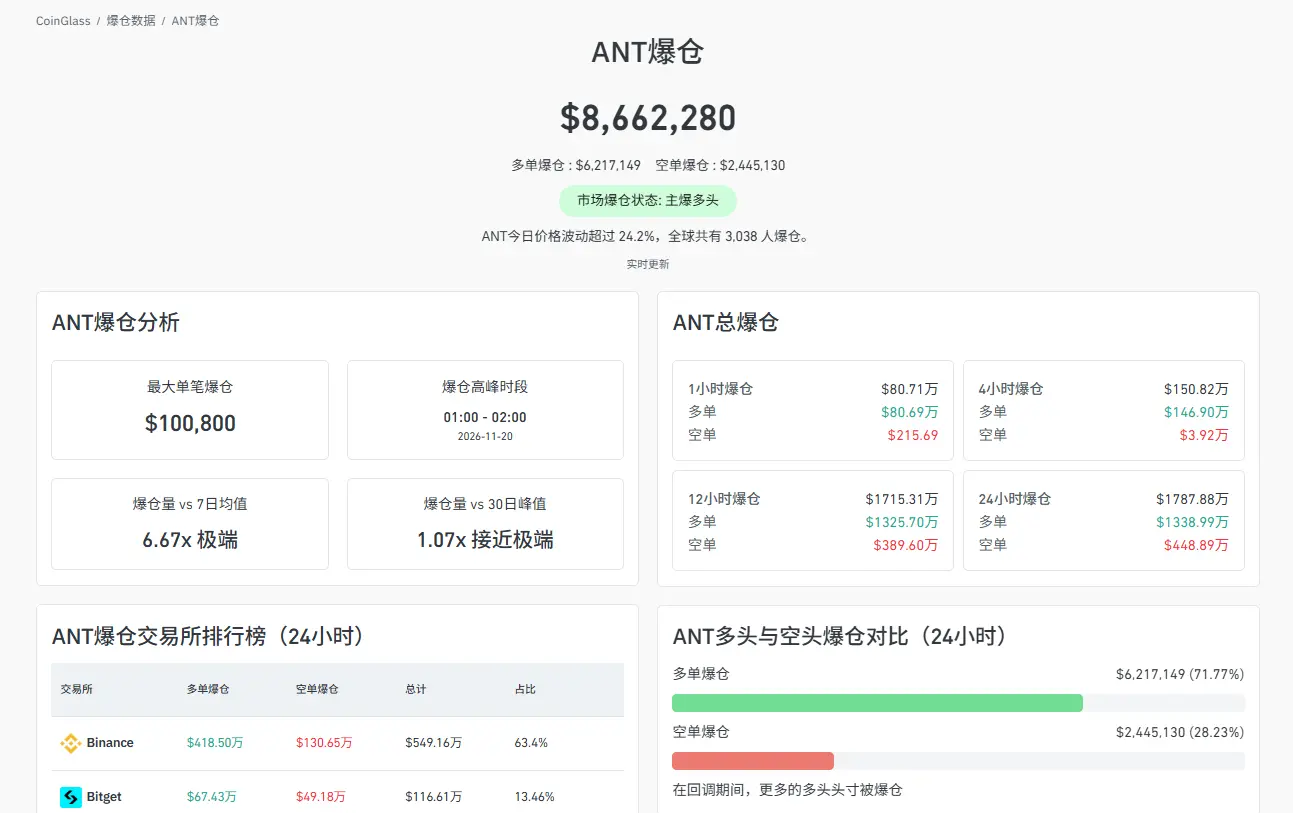
According to Glassnode figures cited in the report, Anthropic contracts across platforms generated about $9.5 billion in cumulative volume over the 45 days before listing. Senpi data put the price of Hyperliquid contracts immediately before the open within 1% of ANT’s $111.50 opening price. That close match did not remove the risk of trading after the open: CoinGlass recorded about $8.66 million in ANT contract liquidations over 24 hours, 72% of them long positions.
Subscriptions did not guarantee shares
Binance Wallet and Kraken offered tokenized-share subscriptions through xStocks; Bitget offered rANT through IPO Prime, and Gate also opened subscriptions. The report says these channels generally charged a 5% service fee, while Bitget’s VIP round charged 12%.

After the market opened, xStocks said subscriptions were more than nine times oversubscribed and users would receive only partial allocations, with unallocated funds returned. Binance Wallet’s 500 million USDC subscription capacity filled in eight hours, but its eventual allocation was about 2,957 shares—roughly $245,000 at the offer price, or 0.05% of the subscription amount. Binance Wallet subsequently said it would refund subscriptions in full and distribute those shares to users proportionally at no charge, alongside an additional ANTB distribution valued at $1 million.
Bitget received 153,774 shares, worth about $12.76 million at the offer price. Its VIP and public rounds had allocation rates of 10.06% and 1.3%, respectively; Gate’s rate was 5.03%. Kraken users also received partial allocations. For a subscriber, the practical distinction was between committing funds to a request and actually receiving shares—and between the $83 offer price and a later market price, after fees.
Did the IPO pull money from crypto?
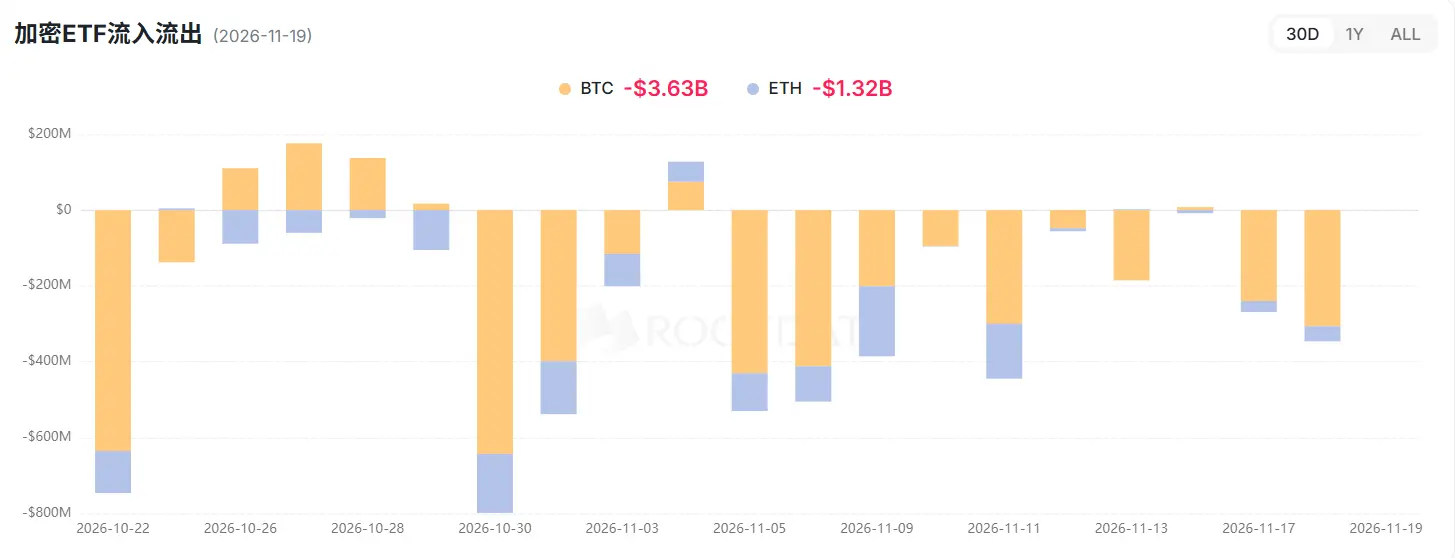
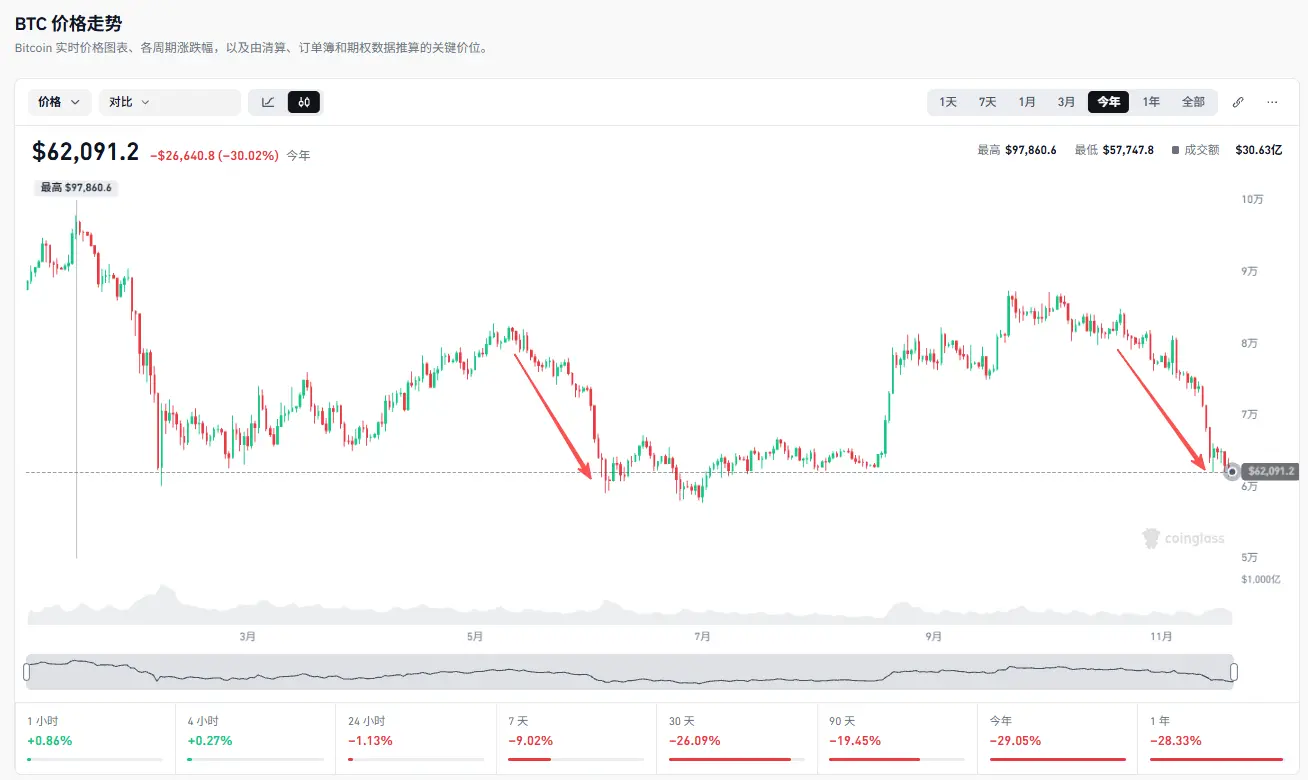
Some market figures, including Ripple CEO Brad Garlinghouse, argued that investors were shifting funds toward Anthropic’s IPO. The report also cites a competing explanation: Grayscale research head Zach Pandl said the crypto pullback had little to do with the listing, while analyst Ted Pillows pointed chiefly to leverage and ETF outflows.
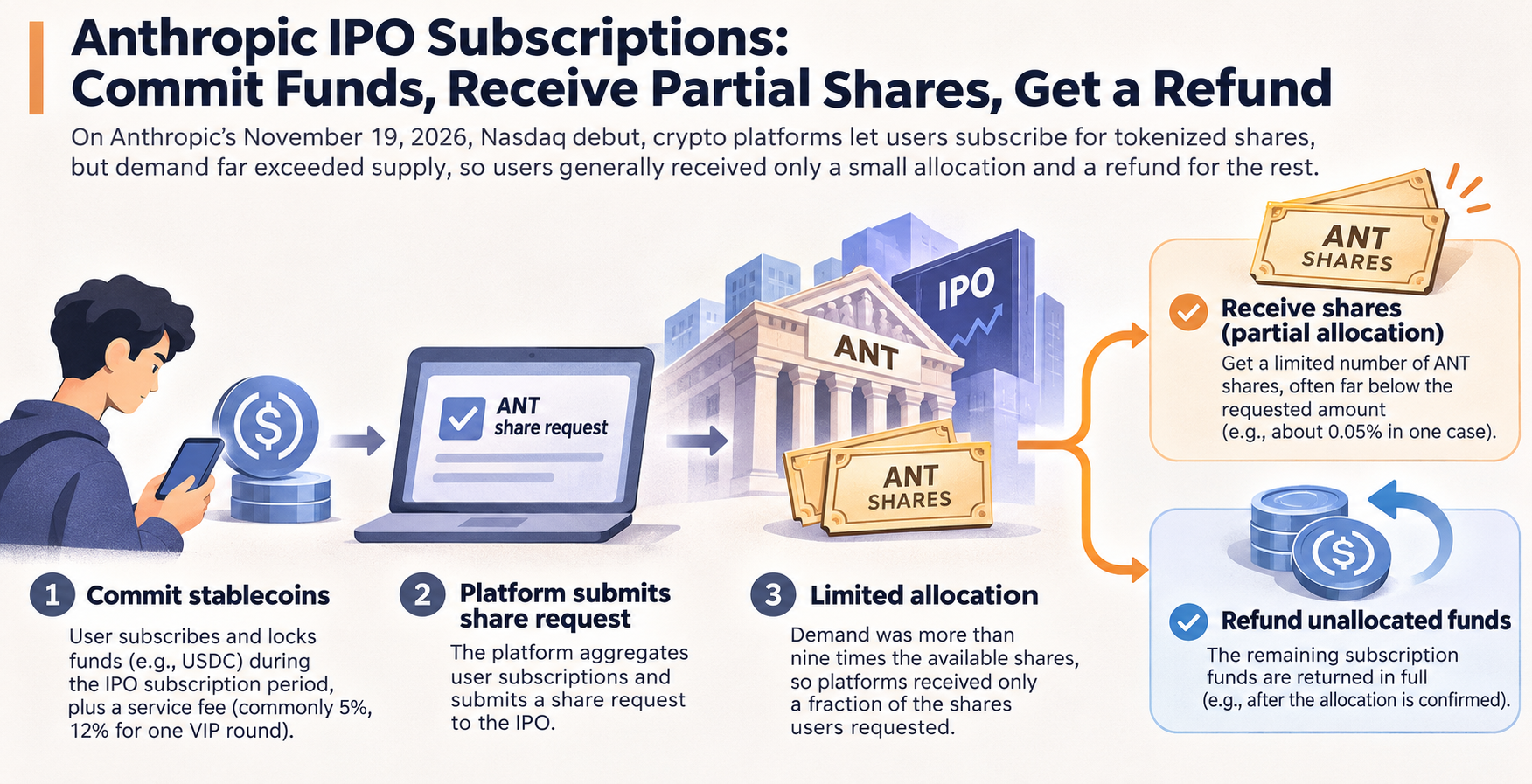
The funding mechanics matter to that dispute. Institutional IPO orders were indications of interest rather than advance payments, according to the report. Crypto-platform subscriptions did tie up funds: Binance Wallet, Bitget and Gate alone held more than $750 million in stablecoins during their subscription periods. That does not, by itself, establish that the IPO caused the broader crypto-market decline. As of the November 20 report, the anticipated post-listing crypto rebound had not appeared.