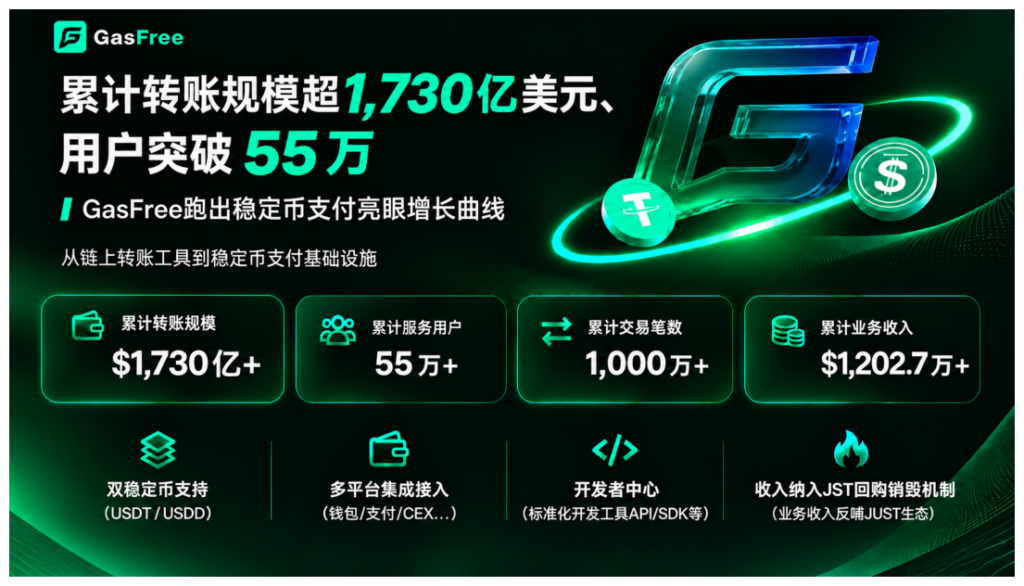
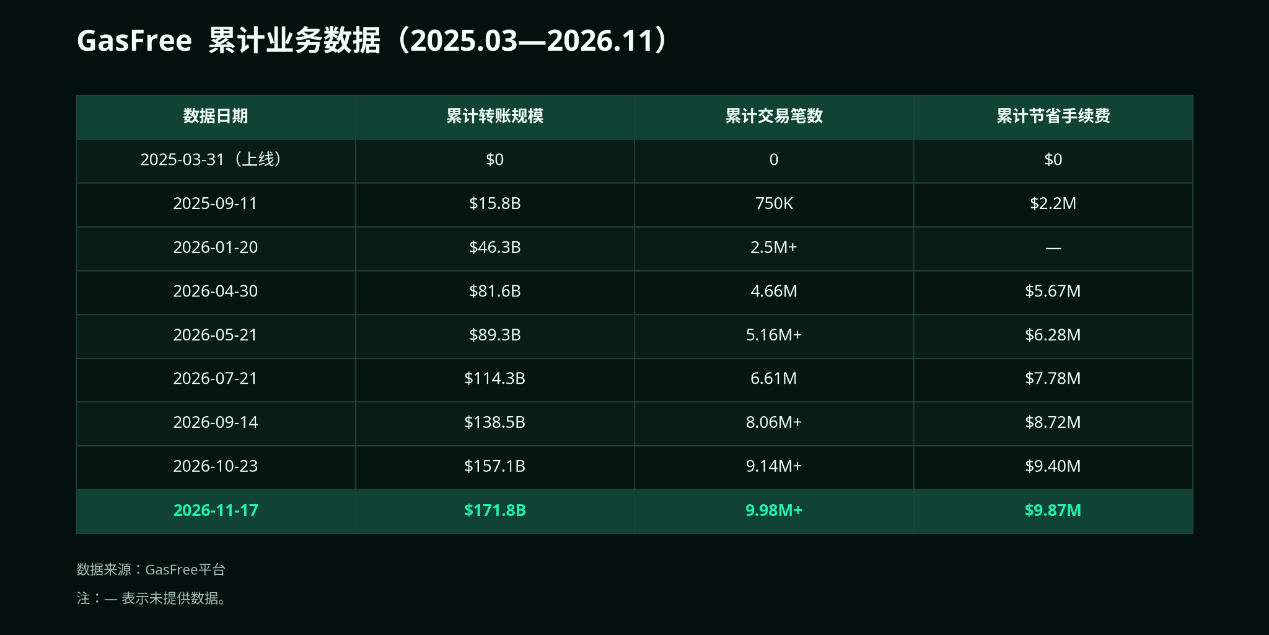
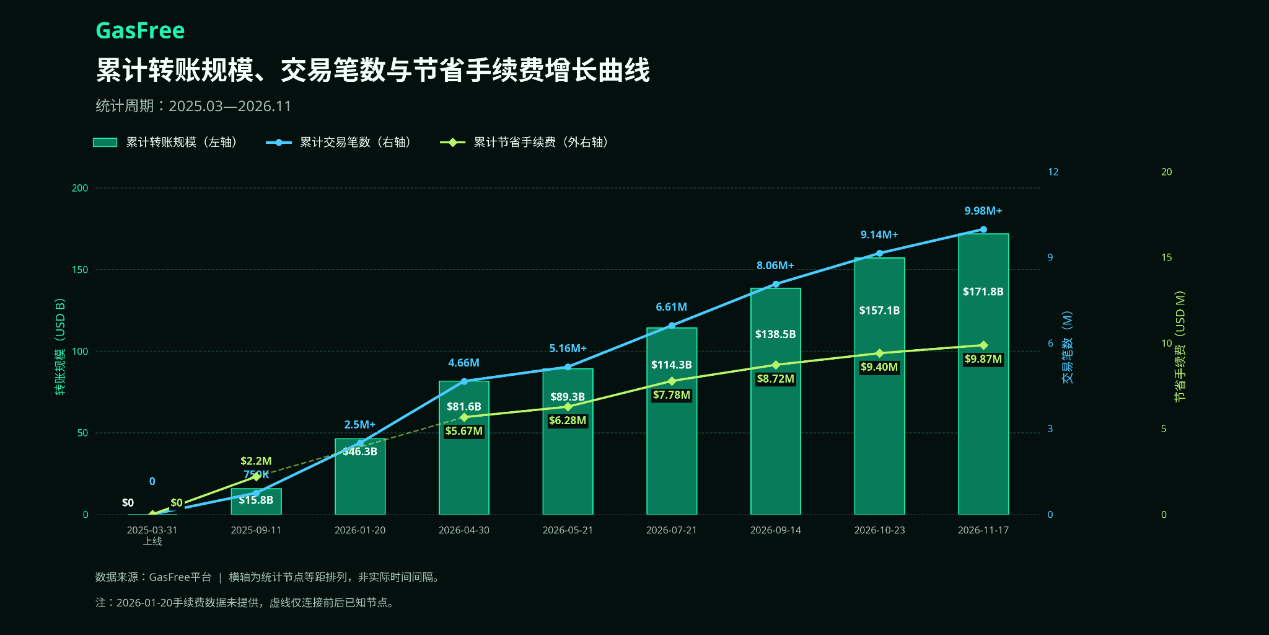
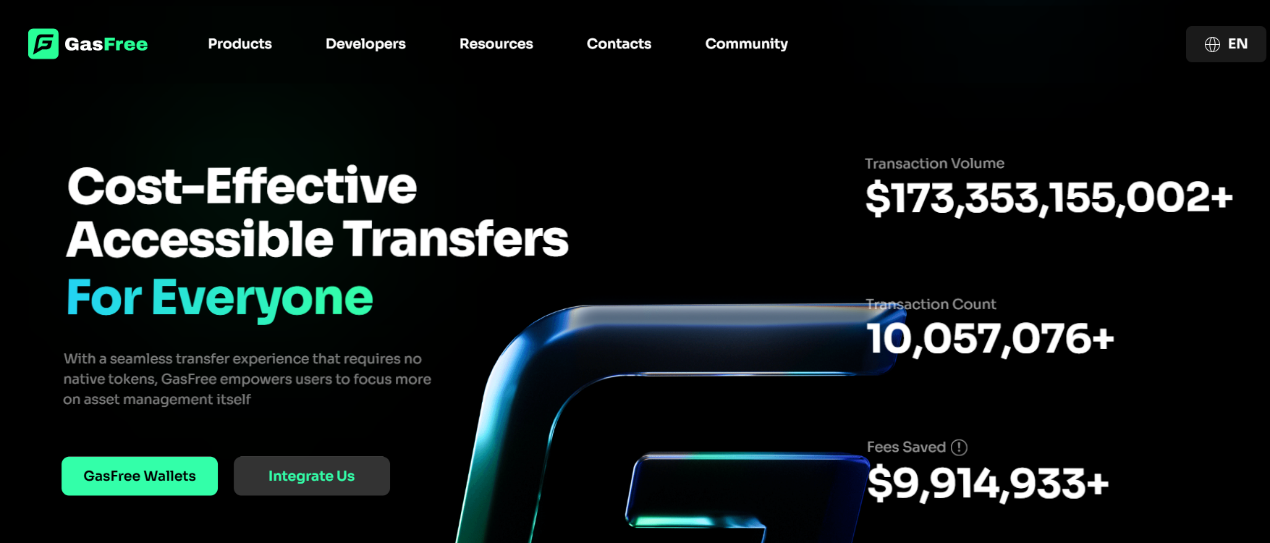
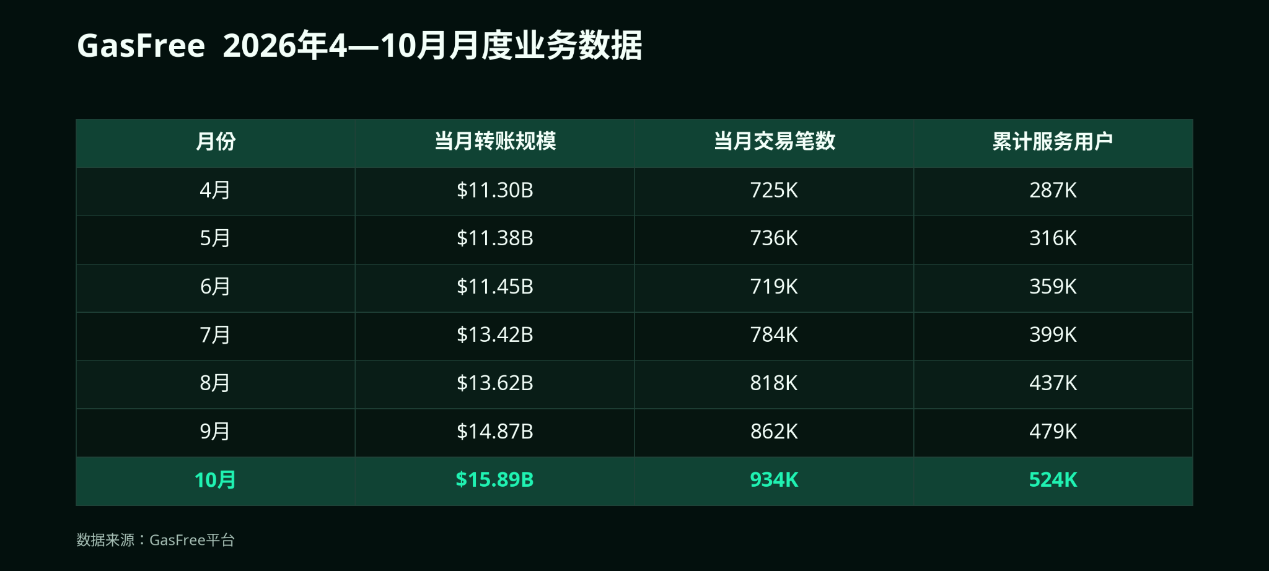
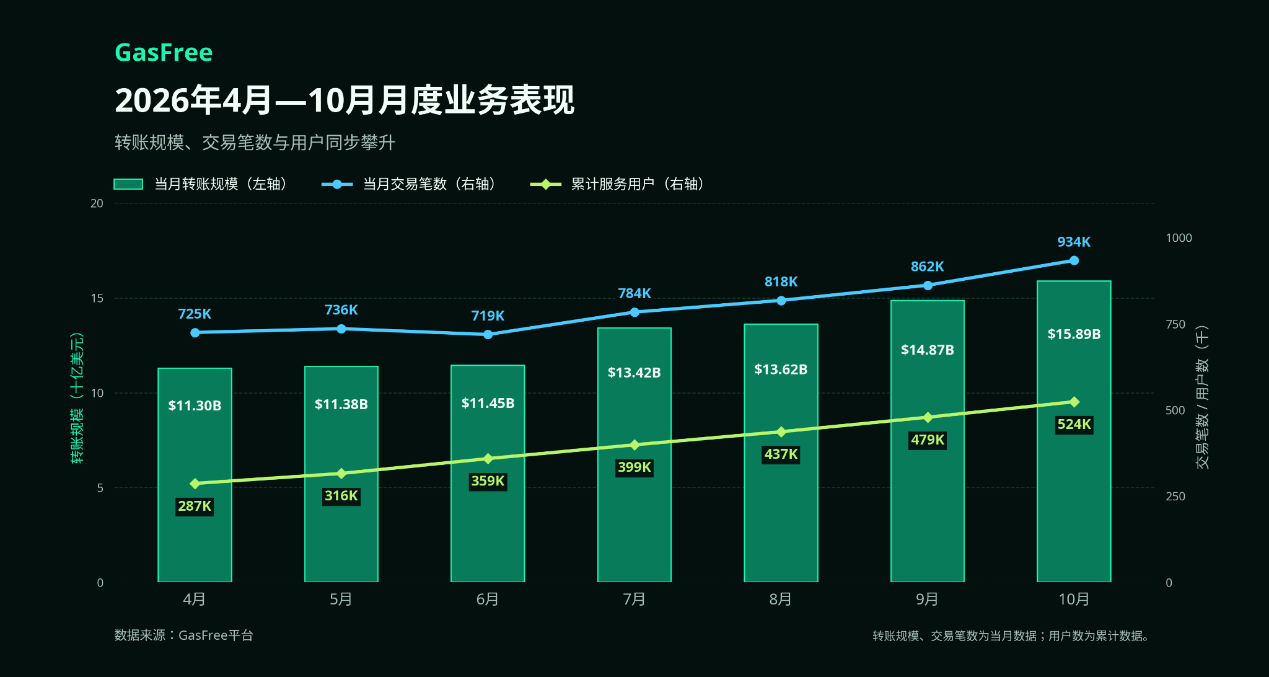
As reported on November 19, 2026, GasFree said its cumulative stablecoin transfer volume had exceeded $173 billion, across more than 10 million transactions and 550,000 users since its launch in late March 2025. These are figures reported by the source, not independently verified measures of payment use.
What changes for the sender
A conventional TRON stablecoin transfer requires the sender to have access to TRON network resources, often paid for with TRX. GasFree instead deducts its service fee from the stablecoin being transferred. The sender therefore does not need to hold TRX separately, but the transfer is not free.
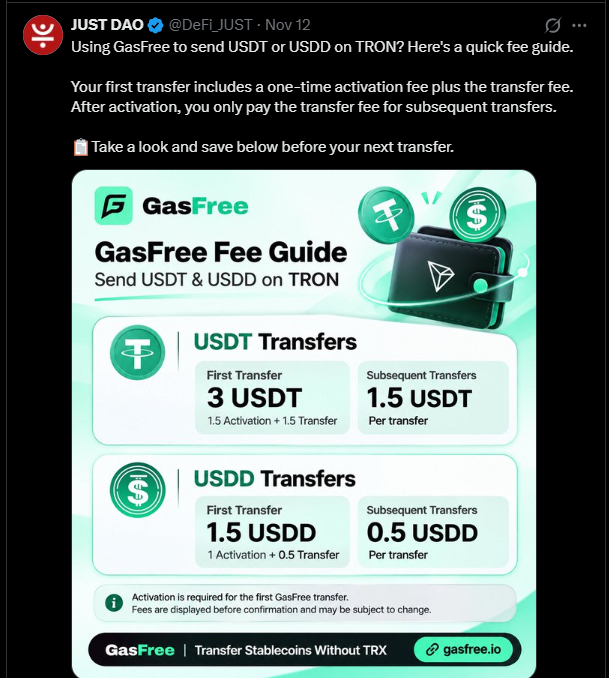
Following a May 2026 fee update, the reported charge was 1.5 USDT to activate an account for the first time and 1.5 USDT per USDT transfer. For USDD, which GasFree added in August 2026, the corresponding charges were 1 USDD and 0.5 USDD. An account activated with either asset could subsequently use both, according to the report. The per-transfer charges were fixed rather than proportional to the amount sent.
For a dated comparison, the source estimated a conventional TRON USDT transfer’s network cost at nearly 3.2 USDT on November 17, 2026, versus GasFree’s 1.5 USDT transfer charge. That snapshot should not be read as a permanent network fee or a guarantee that every transfer costs less.
Where the feature was available
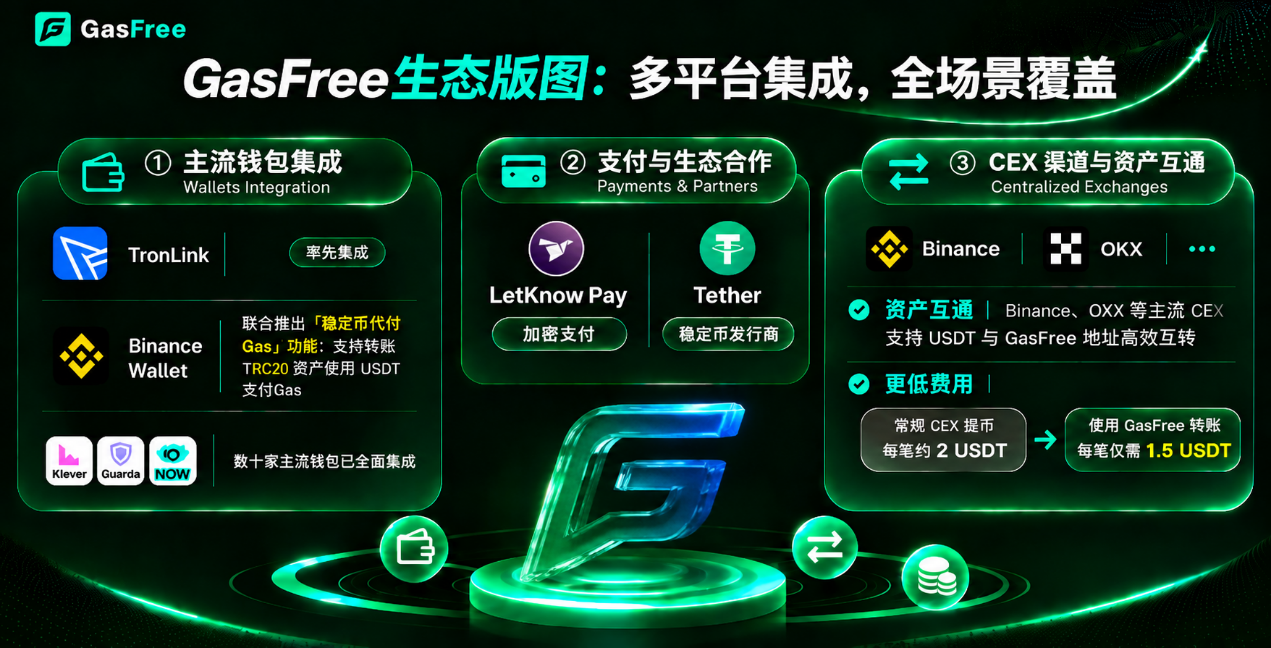
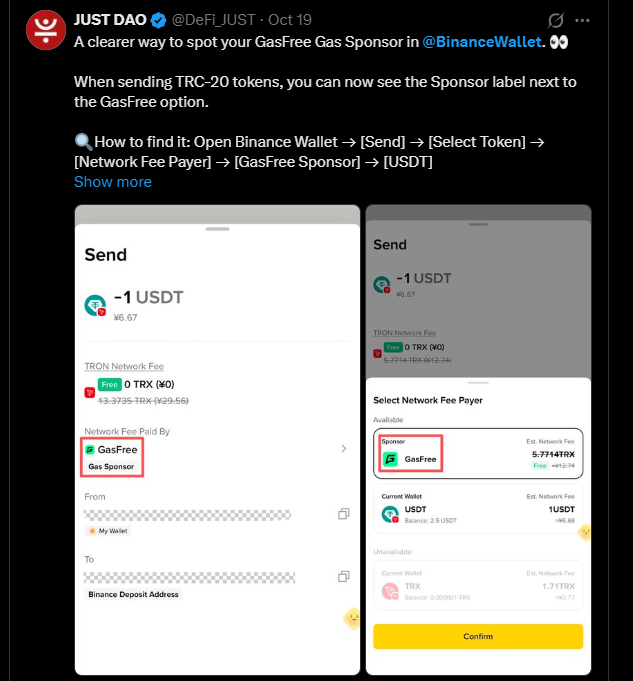
GasFree began with USDT transfers through TronLink. The report said it had since been integrated with wallets including Klever, Guarda and NOW Wallet, and had opened a Developer Center with integration tools in September 2025. It also reported a September 2026 Binance Wallet integration that let users pay fees in USDT when transferring USDT and certain TRC-20 assets on TRON. These are TRON on-chain transfers, not Lightning payments.
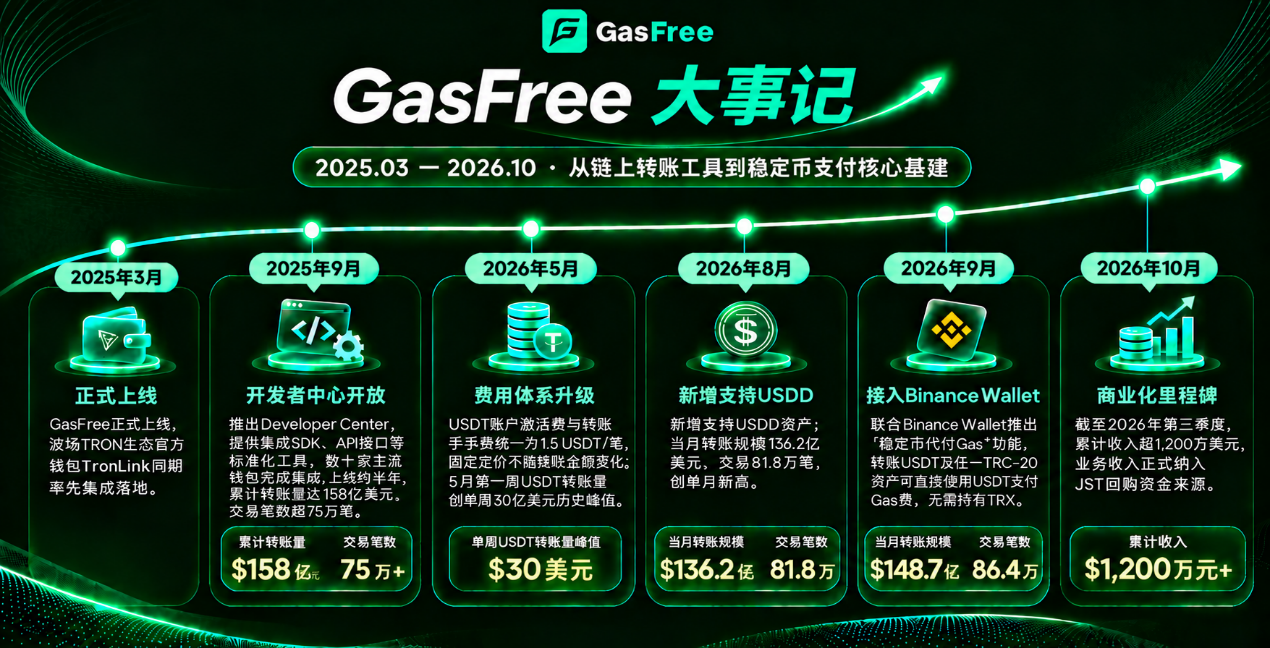
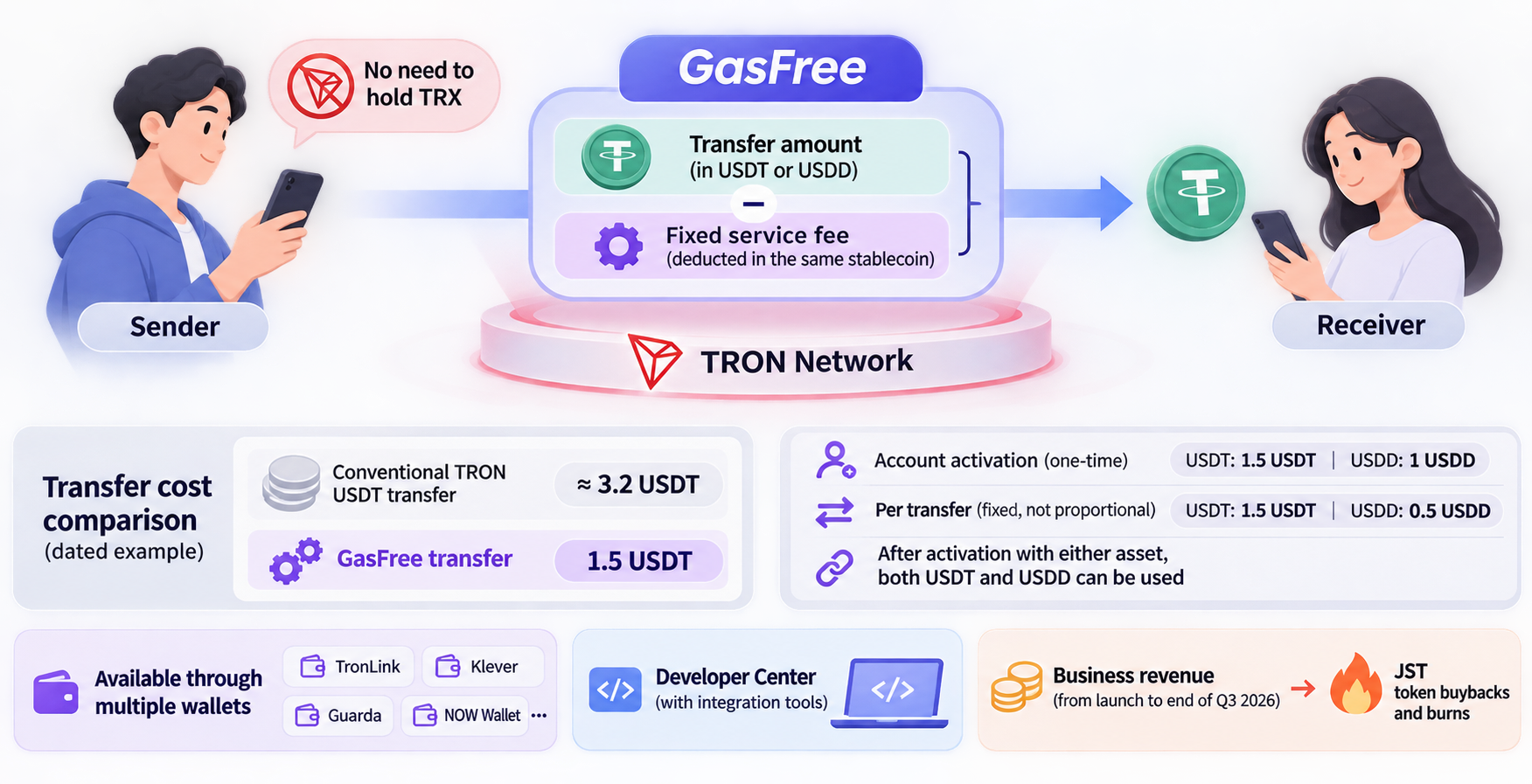
A JUST ecosystem announcement dated October 25, 2026, put GasFree’s cumulative business revenue at $12.027 million from launch through the end of the third quarter of 2026. The report said that revenue had been included in the funding pool for JST token buybacks and burns; that arrangement is separate from what a sender pays to complete a transfer.